Food & Culture
Markets, and how to use them
The most informative place in most cities, and the one visitors use least effectively.
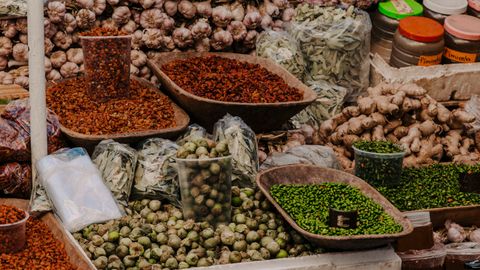
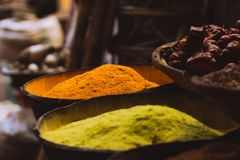
Markets show what a place eats, what it costs, how people interact and what is in season, in one visit. They are also frequently the best food available.
The types
Produce markets, serving local households, generally operating in the morning and finishing early.
These are the most informative and the least oriented toward visitors.
Covered market halls, permanent structures with fixed stalls, common across Europe and Latin America.
Many have been renovated in recent years, with the renovation generally shifting them toward visitors and away from household shopping — which is a real loss and a real improvement in facilities, depending on your view.
Night markets, particularly across East and Southeast Asia, which are primarily about prepared food and social life.
Weekly and periodic markets, which rotate between towns on a schedule and which serve rural areas.
These are frequently the most interesting and require knowing the day.
Specialist markets — fish, flowers, antiques, textiles, livestock — which are working markets with their own rhythms.
When to go
Timing matters more than most visitors realise.
Produce markets are at their best early, when the traders are working and the customers are local.
By midday the good produce has gone and the crowd has changed.
Fish markets are earlier still, frequently before dawn.
Night markets are what they say.
And weekly markets happen on their day, which is worth building a route around rather than hoping for.
What to do there
Walk the whole thing first before buying anything, which shows the range and the prices.
Look at what is piled high, which is what is in season and cheap.
Watch what local shoppers buy, which is the fastest way to identify what is good.
Eat there. Most produce markets have stalls serving the traders, which is generally the best inexpensive meal in the area.
Ask what something is and how it is used, which almost always produces a conversation and frequently a sample.
Buy small quantities of several things rather than a lot of one, which is more interesting and more manageable.
Bargaining
Where it applies and where it does not, which varies enormously.
Food in produce markets is generally fixed price in most countries, and attempting to bargain over vegetables is inappropriate.
Crafts, textiles, antiques and tourist goods in many countries are negotiated, and the expectation is mutual.
Where bargaining is normal, the conventions matter: it is a conversation rather than a confrontation, walking away is part of it, and agreeing a price commits you.
The reasonable approach is to establish what something is worth by asking at several stalls before engaging seriously with one.
And it is worth keeping perspective about the amounts involved, which are frequently trivial to a visitor and meaningful to a trader.
The practical points
Carry small notes and coins, since change is a genuine problem for traders early in the day.
Bring a bag.
Be aware that busy markets are where pickpocketing concentrates, which is a reason for a secure bag rather than for avoiding markets.
Ask before photographing people, which is basic courtesy and frequently produces a better photograph.
And be conscious that a working market is a workplace, and that visitors standing in the way of trade are noticed.
What to buy to take home
Practical rather than sentimental.
Dried spices, which travel well and are frequently much better and cheaper than at home.
Tea and coffee.
Preserved and packaged foods, subject to import restrictions.
Kitchen equipment specific to the local cooking, which is generally cheap and genuinely useful.
And a note of what things looked like and were called, since finding them again at home is otherwise impossible.
Worth checking import restrictions on food, seeds and animal products before buying, since several categories are prohibited and are confiscated at the border.
The market as a meal
A specific approach worth adopting.
Rather than buying ingredients you will not cook, assemble a meal from the market itself — bread, cheese, fruit, something cured, something cooked from a stall.
Eaten in a park or at your accommodation, this is generally the best-value and most locally representative meal available.
It also requires interacting with several traders, which is where most of the interest is.
Also by Kwame Boateng
- The things worth knowing before any tripSafety & Health
- Coffee, tea and drinking cultureFood & Culture
- Getting between airports and citiesFlights & Transport
- Alcohol, substances and the legal positionSafety & Health