Money
How A Weak Currency Changes A Destination
When a currency falls, a country becomes cheaper for visitors and more expensive for its own residents, and the resulting distortions reshape what travellers encounter.
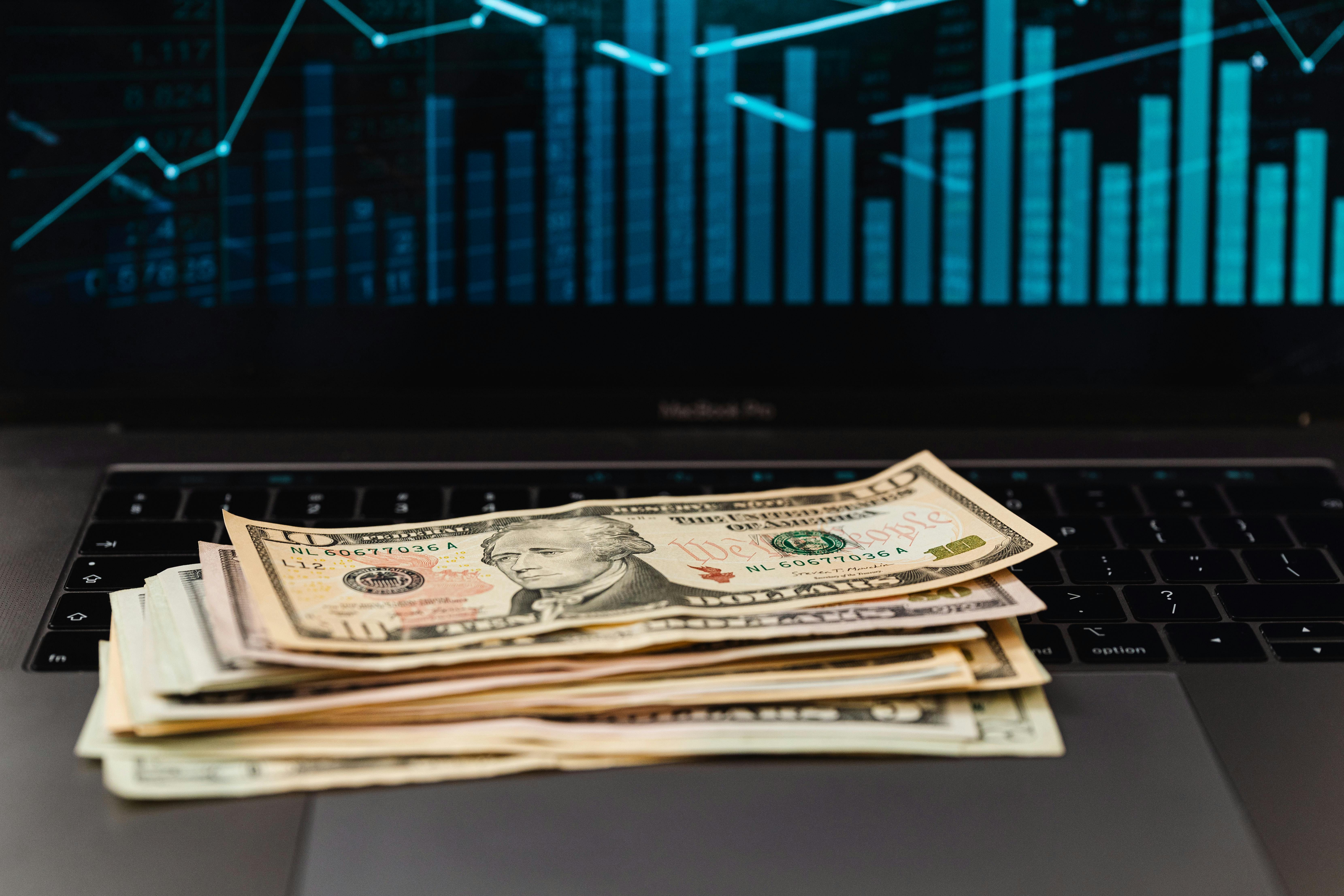
A currency depreciation makes a destination dramatically cheaper for foreign visitors. The same movement makes life harder locally, and the two effects together change what a place is like to visit.
Cheapness for visitors is not cheapness locally
A weaker currency means more local money per unit of foreign currency, so prices converted into a visitor's terms fall even when nothing local has changed.
Residents earning in the local currency see the opposite: imported goods, fuel and anything priced internationally become more expensive.
The gap between visitor purchasing power and local purchasing power widens, and it is visible in who can afford to be in which parts of a city.
Prices split into two tracks
Businesses serving international customers often price in a foreign currency or index their prices to it, so those prices do not fall in visitor terms at all.
Hotels, tour operators and anything sold through international platforms behave this way, while local restaurants, transport and markets do not.
The result is that the saving accrues mainly on locally priced goods, and a trip's headline costs may not fall nearly as much as expected.
Inflation follows depreciation with a lag
Countries that import fuel and food see costs rise through the economy within months, so local prices catch up and the visitor advantage erodes.
Where depreciation is severe, prices change frequently and menus and tariffs may be updated weekly, which makes older price information useless.
Parallel exchange markets sometimes emerge where official rates are held artificially, and the gap between the two creates legal and practical complications for visitors.
Tourism volumes respond and change the place
Cheaper destinations attract more visitors, and the increase concentrates in the same well-known areas rather than spreading evenly.
Local businesses reorient towards visitor demand because that revenue is stable in real terms, which shifts what is available in central districts.
Accommodation supply responds fastest, and areas can convert to short-term letting quickly when foreign demand is strong and local incomes are falling.
Being a visitor in a strained economy
Spending in ways that reach local businesses directly does more than the same money passing through international operators, because more of it stays in the local economy.
Practical constraints often accompany currency weakness, including cash shortages, capital controls and limits on withdrawals, which are worth checking before arrival.
Awareness that the favourable rate reflects difficulty rather than good fortune is not a rule about behaviour, but it does inform how a visitor reads what they are seeing.
Also by Sofia Marchetti
- Travel and mental healthSafety & Health
- Booking platforms and what they doWhere to Stay
- The trip you actually wantPlanning
- Women travelling aloneSafety & Health