Food & Culture
Cooking classes, food tours and learning to eat
Organised food experiences vary from genuinely educational to expensive theatre, and the distinction is assessable in advance.
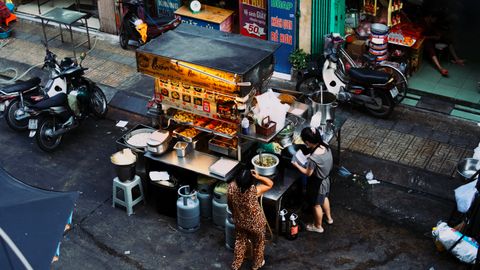
Food-focused activities have proliferated, and the quality range is wide enough that selection matters more than in most categories.
Cooking classes
What distinguishes a good one.
A market visit first, which is where most of the learning is — what things are called, how they are selected, what is in season.
A small group, since a class of twenty produces observation rather than cooking.
Hands-on rather than demonstration, which sounds obvious and is not always the case.
Dishes you could actually make again, using ingredients that are obtainable elsewhere or with stated substitutes.
Recipes provided, which many classes do not.
A teacher who explains why, rather than only what — why this technique, why this order, what the dish is for and when it is eaten.
Home-based classes, taught by someone in their own kitchen, are frequently better than commercial schools and are generally cheaper.
Food tours
More variable.
The good ones take you to places you would not have found, explain the context, and are led by someone with genuine knowledge.
The poor ones visit establishments paying commission, in tourist areas, with a guide reciting a script.
The indicators worth checking: whether the itinerary is published, whether the venues are ones locals use, how large the group is, and what the reviews say specifically rather than in aggregate.
A tour early in a visit is more valuable than one at the end, since it provides a foundation for eating independently afterwards.
Market tours
Frequently the most informative option and the least glamorous.
A guide who explains what everything is, how it is used and what is in season provides the framework for understanding a cuisine.
Several are run by chefs and by cookery schools as a standalone activity.
The alternatives that cost nothing
Worth considering before booking anything.
Going to a market alone and asking questions, which is free and produces most of the same information if you are willing to talk to people.
Eating at counters where you can watch the cooking, which is how a great deal of technique is actually learned.
Buying a local cookbook, ideally one written for local readers rather than for export.
And asking at your accommodation whether anyone would teach you a dish, which in guesthouses and homestays is frequently welcomed.
What to actually learn
A suggestion about focus.
Learning one dish properly is worth more than learning five superficially.
The dish worth choosing is generally an everyday one rather than a celebratory one, since it is what people actually eat and what you might reasonably make.
And understanding the components — the base, the seasoning, the technique — transfers to other dishes in a way that a single recipe does not.
Bringing it home
The practical follow-through.
Buy the specific ingredients that are difficult to obtain at home — spices, pastes, dried goods — subject to import restrictions.
Buy the equipment if it is specific and inexpensive.
Photograph the process rather than only the result.
Write down what was actually done, since printed recipes frequently omit the things the teacher said.
And cook it within a fortnight of returning, which is the single thing that determines whether any of it is retained.
The dietary requirements question
Worth addressing when booking.
Communicate requirements clearly in advance, in writing, and confirm they have been understood.
For allergies specifically, a translated card explaining the requirement precisely is worth carrying, since a partial translation can be dangerous.
And be aware that concepts such as vegetarian translate imperfectly in some cuisines, where stock, fish sauce or lard may not be considered to conflict with the description.
The cost comparison
Worth doing before booking.
Cooking classes and food tours vary in price by a factor of several within the same city for broadly similar experiences.
The expensive ones are frequently those marketed internationally through booking platforms; the same or better is often available locally at a fraction of the price.
Asking at your accommodation, or searching in the local language, generally surfaces options that the international platforms do not list.
General information about travel and food, not medical advice. Consult a qualified clinician about managing allergies while travelling.
Also by Sofia Marchetti
- Travel and mental healthSafety & Health
- Booking platforms and what they doWhere to Stay
- The trip you actually wantPlanning
- Women travelling aloneSafety & Health