Planning
Visas, entry rules and the paperwork
Entry requirements change frequently, apply differently by passport, and are the traveller’s own responsibility.
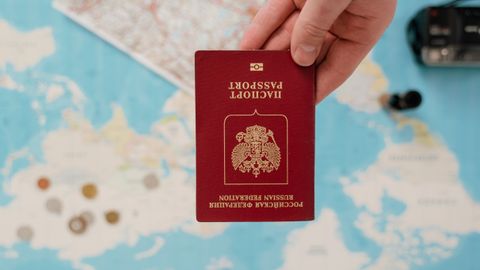
Border requirements are the one part of trip planning where getting it wrong prevents the trip entirely, and they are frequently checked too late.
The categories
Visa-free entry, where a passport holder may enter for a defined period without prior authorisation.
The permitted duration varies, and it is generally for tourism rather than for any other purpose.
Electronic travel authorisation, which is not a visa and is a pre-screening requirement applied to otherwise visa-free travellers.
Several countries and regions have introduced or announced these in recent years, and the requirement catches travellers who assumed visa-free meant no paperwork.
Visa on arrival, available at the border, generally for a fee and sometimes requiring documentation.
Electronic visa, applied for online in advance.
Traditional visa, requiring application to an embassy or consulate, sometimes in person, sometimes taking weeks.
What determines the requirement
Nationality, specifically the passport held rather than residence.
Which means travel companions with different passports may face entirely different requirements for the same trip, and each person must check their own.
The purpose of travel matters: tourism, business, study, work, transit and volunteering are frequently distinct categories with different rules.
And the route matters, since transit through a third country may itself require authorisation even without leaving the airport.
The passport rules people miss
Validity. Many countries require a passport valid for six months beyond the intended departure date.
Airlines enforce this at check-in, and travellers are denied boarding regularly for this reason.
Blank pages. Some countries require one or more blank pages for entry stamps.
Damage. A passport with water damage or a detached page may be refused, and border officials have discretion.
Previous stamps. A small number of countries refuse entry to holders of passports containing evidence of travel to specific other countries.
The other documentation
Requirements that are checked less consistently and enforced sometimes.
Onward or return ticket, which many countries require and which airlines check at check-in because they bear the cost of returning a refused passenger.
Proof of accommodation, requested at some borders.
Proof of funds, occasionally requested.
Vaccination certificates, particularly yellow fever, which is a genuine entry requirement for some countries and is checked.
Travel insurance, required for entry to some countries and to some visa categories.
Where to check
The authoritative sources, in order.
The destination country's own immigration authority or embassy website, which is definitive.
Your own government's travel advice pages, which summarise requirements for their citizens.
Airline documentation checking tools, which are used by check-in staff and are therefore practically decisive.
Third-party websites and forums are convenient and frequently out of date, which in this area is dangerous.
The timing
Check before booking, not after.
Traditional visas can take weeks and occasionally months, and some require an appointment that is itself weeks away.
Electronic authorisations are generally quick and are not instant, and processing occasionally takes days.
Passport renewal timescales vary and have been extended during periods of high demand.
Which means a trip requiring a new passport and a visa needs to be started months ahead.
The paid services
A caution.
A substantial industry exists offering to process visa and authorisation applications for a fee, and many of these sites appear prominently in search results ahead of the official ones.
Some are legitimate agencies providing a genuine service. Others charge a substantial fee for submitting a form that costs a fraction of the amount on the official site.
The official application is generally available directly and is worth finding.
At the border
Practical points.
Have the documentation accessible rather than in checked baggage.
Know the address where you are staying, which is asked routinely.
Answer questions directly and briefly.
Be aware that entry is at the discretion of the officer even with a valid visa, and that a visa is permission to travel rather than a guarantee of entry.
And note the permitted duration of stay on the stamp, since it is not always what was expected and overstaying carries penalties that can include bans on future entry.
General information about travel, not immigration advice. Requirements change frequently — consult the destination country's official sources before booking.
Also by Kwame Boateng
- The things worth knowing before any tripSafety & Health
- Coffee, tea and drinking cultureFood & Culture
- Getting between airports and citiesFlights & Transport
- Alcohol, substances and the legal positionSafety & Health


