Planning
Overtourism and travelling responsibly
Visitor concentration has produced genuine problems in specific places, and the responses available to individuals are more limited and more real than either side of the argument admits.
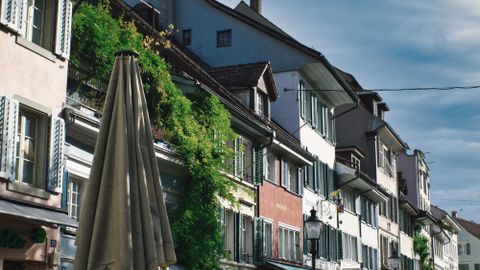
Several destinations have introduced measures to limit visitor numbers, and the underlying problem is real, specific and unevenly distributed.
What the problem actually is
Not tourism in general but concentration.
Visitor numbers globally are spread very unevenly, with a small number of destinations receiving a disproportionate share, and within those destinations a small number of sites receiving most of the visits.
The consequences in the affected places are documented.
Housing. Conversion of residential property to short-term rentals reduces the supply available to residents and raises rents, with several studies finding measurable effects in cities with high concentrations.
Displacement of ordinary commerce. Shops serving residents replaced by those serving visitors, which makes neighbourhoods unlivable for the people who live there.
Physical damage to sites and environments with limited capacity.
Infrastructure strain — water, waste, transport — sized for a resident population.
Crowding that degrades the experience for everyone including visitors.
What destinations have done
A range of measures, with varying evidence.
Entry fees for day visitors, introduced in several cities.
Caps on visitor numbers at specific sites, with timed entry and advance booking.
Restrictions on cruise ship access, adopted by several ports.
Regulation or prohibition of short-term rentals, with a number of cities imposing licensing regimes or outright bans in central areas.
Tourist taxes levied per night.
Bans on specific behaviours, and marketing campaigns aimed at discouraging particular visitor types.
And in a few cases, active promotion of alternative destinations within the same country.
What individuals can actually do
Honest about the scale of individual effect, which is small, and about which choices matter.
Go elsewhere. The single most effective decision.
Every country has places that would welcome visitors and receive few, and they are frequently more interesting than the crowded ones.
Go at a different time. Shoulder and low season shifts demand from the peak, which is when the problems concentrate.
Stay longer. A visitor staying a week has a different impact profile from seven visitors staying a day, and spends more locally.
Stay in licensed accommodation, which does not remove housing from the residential market illegally.
Spend locally. Independent businesses, local guides, local transport, and eating where local people eat.
The proportion of tourist spending that remains in a destination varies enormously depending on how it is spent, with all-inclusive and cruise arrangements retaining substantially less locally.
Use public transport, which is generally better and reduces the pressure on streets.
Behave as a guest, which sounds trivial and is substantially what residents of affected places complain about.
The transport question
Where the environmental argument bites hardest.
Aviation accounts for a meaningful share of global emissions, and long-haul flights are the largest single component of most individual travellers' footprints.
The available responses: flying less often and staying longer, choosing rail where it is competitive, avoiding short-haul flights where ground alternatives exist, and flying direct where possible since takeoff and landing account for a disproportionate share of fuel.
Carbon offsetting has attracted substantial criticism regarding the quality and permanence of the projects funded, and the evidence supports scepticism about it as a substitute for reduced emissions.
The counterargument worth taking seriously
Tourism is a substantial part of many economies and a major employer, particularly in countries with limited alternatives.
Advice to visit less can have real costs for people who depend on visitors, and the discussion is frequently conducted by people in wealthy countries about the effects on other wealthy countries.
Which suggests the useful distinction is between destinations that are overwhelmed and those that would benefit from more visitors, rather than between travelling and not.
The practical version
Choose destinations that want visitors. Go outside peak periods. Stay longer in fewer places. Spend with local businesses. Use ground transport where it works. And behave in someone else's home as you would want a visitor to behave in yours.
None of that requires giving up travel, and all of it improves the trip as well as its effects.
Also by Joon Park
- Travelling in the off seasonSafety & Health
- What travel actually costs over a lifetimeMoney
- Travelling with parents and older relativesPlanning
- Insurance claims, medical care and getting treated abroadSafety & Health