Food & Culture
Why Street Food Is Cooked In Front Of You
The open cooking that defines street food is not showmanship but a system of accountability, and it explains why the busiest stalls are usually the safest ones.
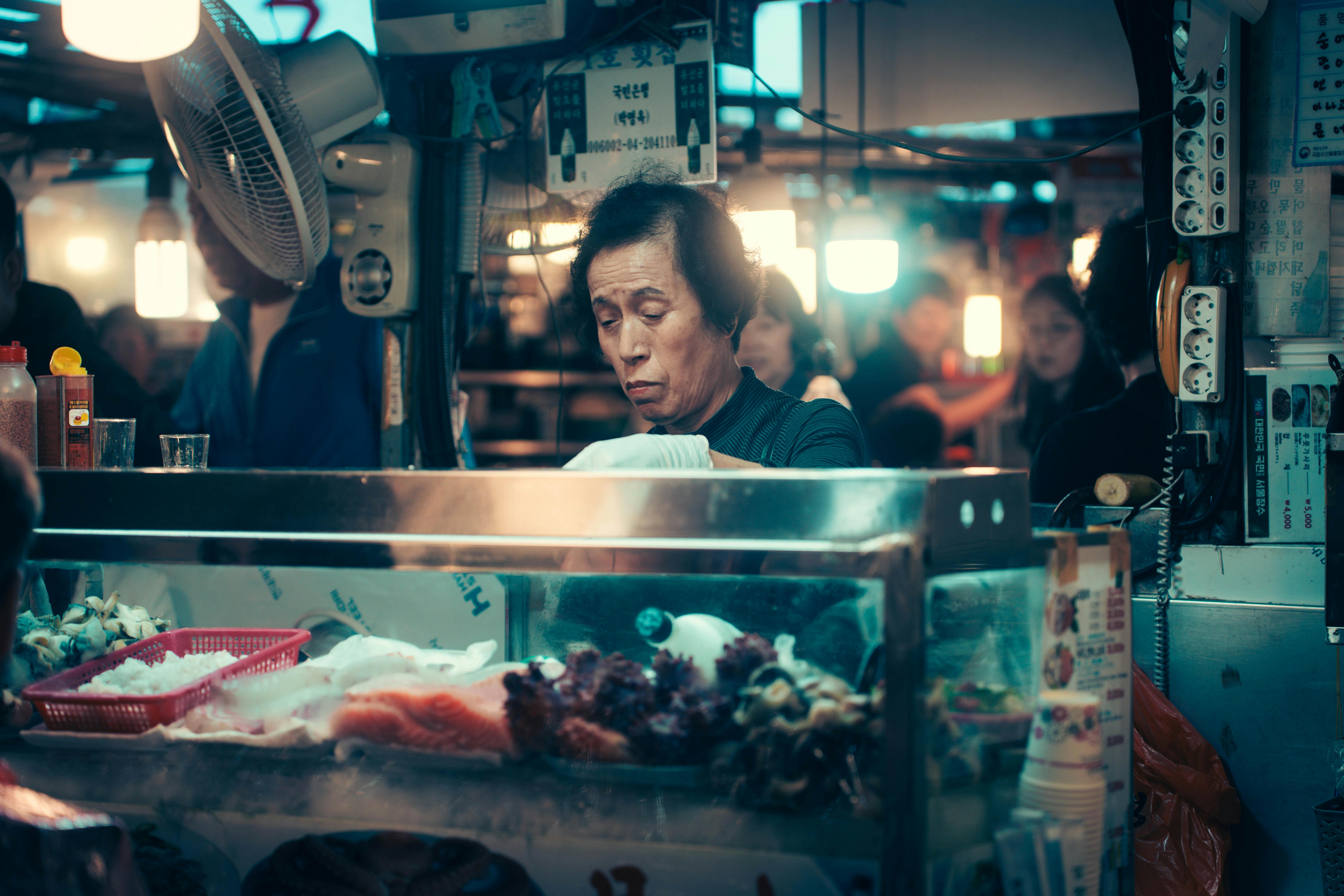
Street food is prepared in the open, at high heat, in full view of the customer. That visibility is the trade's central mechanism rather than a stylistic choice.
Visibility replaces institutional trust
A restaurant kitchen is hidden, and the customer relies on inspection regimes and reputation. A street cart has neither in the same form.
Cooking in front of the buyer substitutes direct observation for institutional assurance. The customer sees the ingredients, the heat and the handling, and judges accordingly.
This is why stalls that hide their preparation struggle. Concealment removes the only guarantee the format offers, and buyers notice without necessarily articulating why.
High turnover is the real safety mechanism
A busy stall sells its stock within hours, so ingredients spend little time at ambient temperature and the cooking surface stays continuously hot.
A quiet stall holds the same food far longer, which is the actual risk. Crowds are therefore a reasonable proxy for freshness rather than merely for quality.
Vendors reinforce this by cooking to order in small batches, which keeps holding time short and lets them adjust quantities to the flow of customers through the day.
The menu is short because the equipment is small
A cart carries one heat source and limited storage, so the offer narrows to what that equipment does well, often a single dish with minor variations.
Repetition produces skill. A vendor making one item continuously for years achieves a consistency that a kitchen producing forty dishes cannot match.
It also simplifies buying, because the vendor purchases the same few ingredients daily and develops supplier relationships that a broader menu would not support.
Street food occupies a specific economic niche
Low capital requirements make it one of the most accessible forms of self-employment, requiring equipment and stock rather than premises and a lease.
It serves people who need to eat away from home cheaply and quickly, particularly workers without kitchens or breaks long enough to sit down.
The prices reflect that customer base rather than a visitor's expectations, which is why the food is inexpensive even where the surrounding city is not.
Regulation reshapes the trade wherever it arrives
Cities that formalise street vending typically require licences, fixed pitches and specified equipment, which raises standards and raises the barrier to entry at the same time.
Moving vendors into designated food courts protects them from clearance but separates them from the foot traffic that made the pitch valuable.
The tension between hygiene enforcement and the livelihoods involved runs through nearly every city where the trade is significant, and it is resolved differently almost everywhere.
Also by Joon Park
- Travelling in the off seasonSafety & Health
- What travel actually costs over a lifetimeMoney
- Travelling with parents and older relativesPlanning
- Insurance claims, medical care and getting treated abroadSafety & Health