Where to Stay
Staying somewhere remote
Rural and isolated accommodation requires different preparation, and the failures are logistical rather than dramatic.
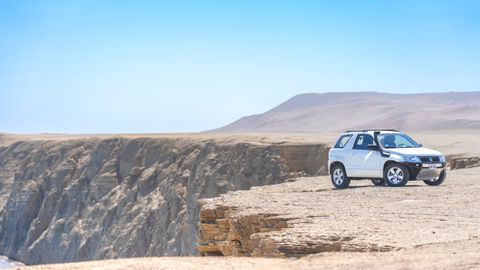
Staying somewhere with no shops, no transport and limited connectivity is among the more rewarding things to do and requires arrangements that urban travel does not.
What to establish before booking
How you get there, specifically, including the last portion.
Properties describe themselves as accessible without specifying that the final section is unpaved, requires a particular vehicle, or is impassable in certain conditions.
Whether there is anywhere to buy food, and how far.
The answer is frequently that the nearest shop is a substantial drive, which changes what needs to be brought.
Whether meals are provided and on what basis, which for remote guesthouses is frequently the arrangement.
Connectivity, both mobile signal and internet, which affects both convenience and safety.
Power, which in some remote accommodation is generator-supplied for limited hours or solar with a daily allowance.
Water, and whether it is drinkable.
Heating, which in older rural properties is frequently limited and which matters more than expected outside summer.
What to bring
The list that experienced rural travellers converge on.
Food for at least a day beyond the plan, since resupply may not be possible.
Water, or a means of treating it.
A torch, since rural darkness is genuinely dark and power failures are more common.
Warm layers regardless of season, since rural temperatures drop further at night than urban ones.
A basic first aid supply, given the distance to medical care.
Any medication, with margin.
A paper map or downloaded offline maps, since signal cannot be assumed.
And cash, since card acceptance in rural areas is frequently limited.
The vehicle question
Where most problems occur.
Check what vehicle the access actually requires, and whether the hire agreement permits driving on unpaved roads — many prohibit it and void insurance if breached.
Fuel: know where the nearest station is and its opening hours, which in rural areas can be limited.
Carry a spare and know how to change it, since assistance may take hours.
And be aware that satellite navigation frequently routes vehicles onto tracks that are unsuitable, which is a documented problem in several countries and has produced serious incidents.
Safety in remote areas
Different considerations from urban travel.
Tell someone where you are going and when you expect to return.
Know how emergency services are contacted and where the nearest facility is, since response times may be measured in hours.
Be conservative about weather, since conditions change and escape routes may be limited.
Be aware of local hazards — wildlife, terrain, water, altitude — which vary and which local advice covers better than general research.
And consider a satellite communication device for genuinely remote travel, which have become affordable and which several phones now support directly for emergency messaging.
The etiquette
Rural communities are small and visitors are visible.
Greeting people is normal in most rural places and its absence is noticed.
Gates should be left as found.
Access to land varies enormously by country, from extensive rights of way to strict private property rules, and assuming home conventions is a common error.
Buying locally where possible, even at higher prices than a supermarket, is both practical and appreciated.
And noise carries a very long way, which visitors from cities consistently underestimate.
What makes it worth it
Worth stating.
Darkness, which most people never experience properly and which changes what the sky looks like.
Quiet, which is genuinely restorative and which is measurably absent from urban life.
And a different relationship with the day, since without external structure most people find their sleep and activity settling into something more natural within a few days.
These are the reported reasons people return, and none of them requires the accommodation to be luxurious.
The arrival timing
More important than anywhere else.
Arriving at a remote property in daylight is substantially easier than arriving after dark, where unlit tracks, unclear signage and absent landmarks make navigation genuinely difficult.
Which means planning the day's travel backwards from an arrival with light to spare.
Where a late arrival is unavoidable, arranging to be met or obtaining detailed directions in advance is worth the effort.
Also by Sofia Marchetti
- Travel and mental healthSafety & Health
- Booking platforms and what they doWhere to Stay
- The trip you actually wantPlanning
- Women travelling aloneSafety & Health