Flights & Transport
Why One Cabin Holds A Dozen Fare Classes
Two passengers in adjacent economy seats can pay wildly different amounts, because airlines sell the same physical cabin as many separate products with separate rules and separate allocations.
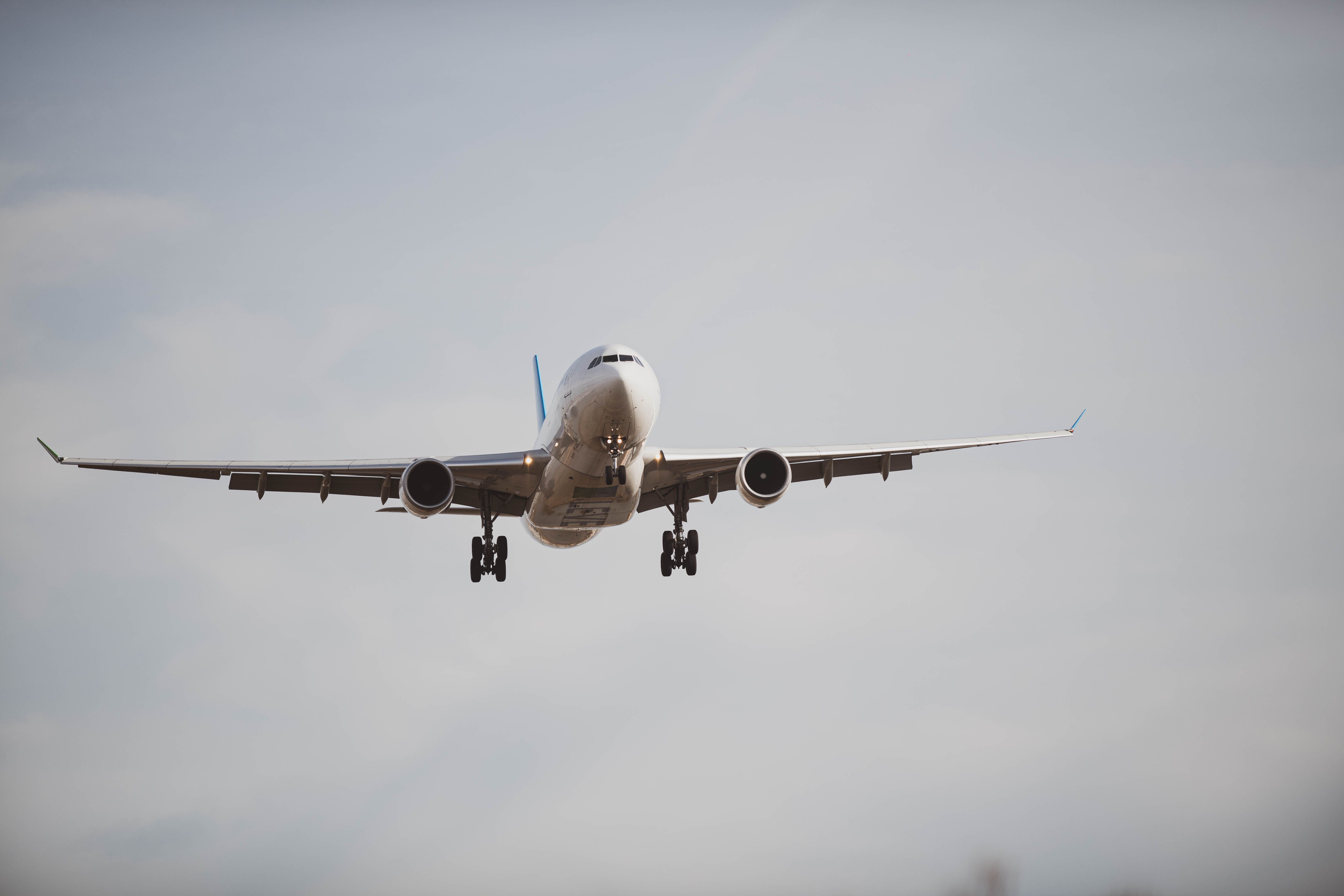
Two passengers sitting next to each other in economy may have paid amounts that differ several times over. The cabin is one physical space but many separate products sold under different terms.
A seat is sold from a bucket, not from a price list
Each cabin is divided into fare classes, and every class has its own allocation of seats and its own price. When one class sells out, the next one up becomes the cheapest available.
This is why a fare can jump sharply between one search and the next without anything changing on the aircraft. A bucket emptied, and the price you see is simply the next bucket.
The allocations are not fixed either. Revenue systems move seats between classes as the booking curve for that particular flight runs ahead of or behind expectation.
The classes exist to separate types of buyer
An airline wants to sell cheaply to someone who would otherwise not fly, without selling cheaply to someone who has to be in a city on Thursday. Fare classes are the mechanism for telling them apart.
The cheap classes come with conditions that a constrained traveller cannot accept: no changes, no refunds, booking far in advance, sometimes a minimum stay. Those conditions are the filter.
Nobody is asked how much they can afford. The restrictions do the sorting, because the passengers who most need flexibility are also the ones least able to shop on price.
Why the cheapest seats vanish first on some routes
A route that carries mostly business demand has little reason to release many discounted seats, because the airline expects to fill the aircraft later at higher fares. Cheap classes on such routes are thin.
A leisure route behaves the other way. Demand arrives early and does not firm up near departure, so the airline releases inventory cheaply and keeps only a small allocation back.
The same aircraft flown between different city pairs will therefore show completely different price behaviour, and the difference is demand mix rather than distance or cost.
What the letter on your ticket actually controls
The fare class letter travels with the booking and decides several things that matter later. Change fees, refund rights, the number of frequent flyer points earned and standing in a rebooking queue all follow from it.
Two people paying similar amounts through different channels can end up in different classes with different rights. The price paid is a poor guide to what the ticket permits.
It also determines upgrade eligibility. Some of the deepest discount classes are excluded from upgrades entirely, which is why a cheap ticket rarely moves forward even when the front cabin is empty.
Why the system persists despite the confusion
Airlines run high fixed costs and sell a product that expires at departure. An empty seat has no residual value, so filling it at any price above the marginal cost of carrying a passenger is worth doing.
Selling every seat at one price would either leave many empty or forgo the money that the least price-sensitive passengers would willingly pay. Segmenting the cabin captures both ends.
Simplified fare structures have been tried repeatedly and tend to drift back towards complexity, because the revenue lost by treating all passengers identically is substantial.
Also by Joon Park
- Travelling in the off seasonSafety & Health
- What travel actually costs over a lifetimeMoney
- Travelling with parents and older relativesPlanning
- Insurance claims, medical care and getting treated abroadSafety & Health