Flights & Transport
Why Landing Slots Make Some Airports Expensive
At a handful of crowded airports the right to land at a given time has become an asset in its own right, and that scarcity shows up in every fare sold there.
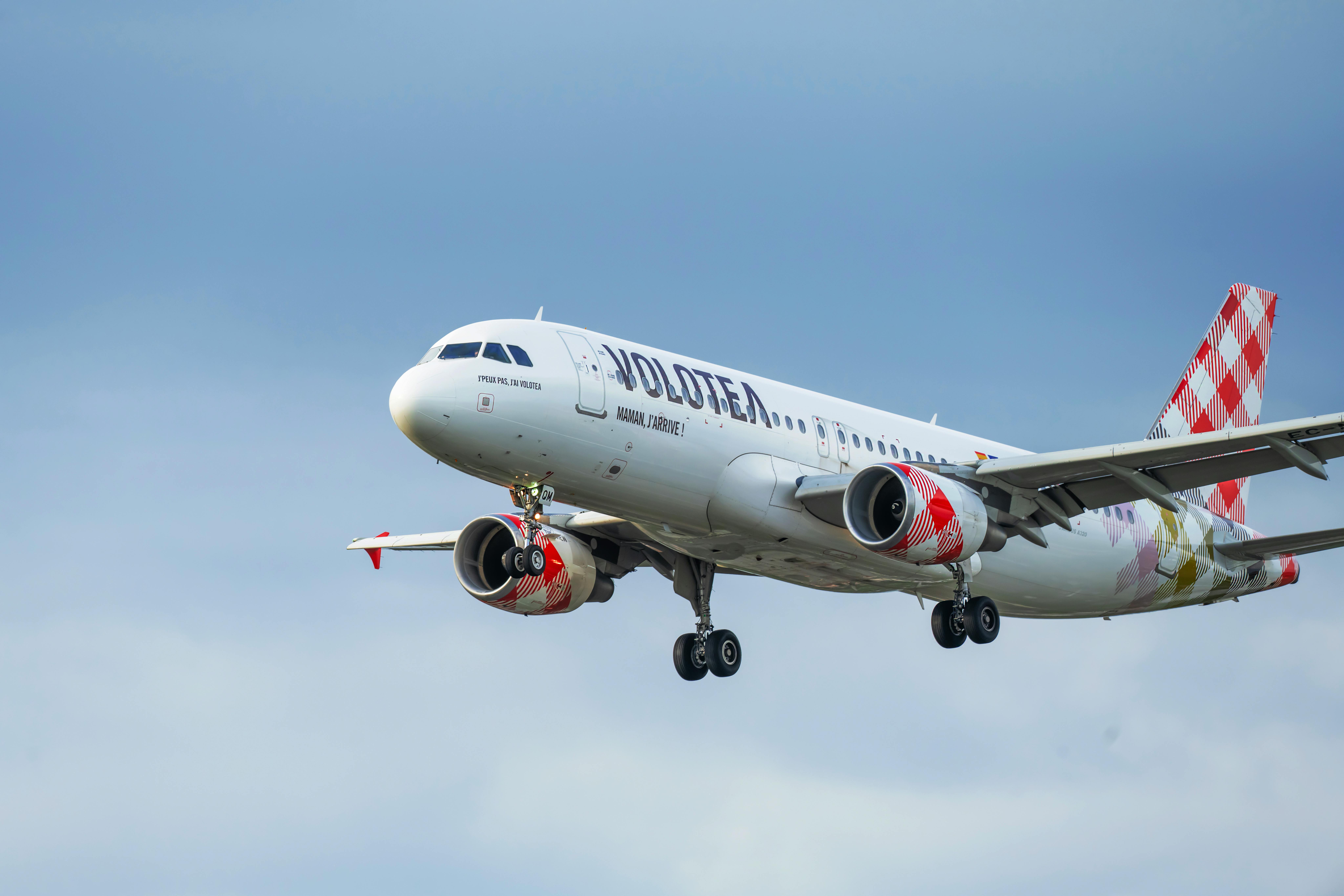
Flying into certain airports costs far more than flying into an alternative field nearby. The difference is not distance or fuel but the scarcity of permission to arrive at a particular time.
Runway capacity is fixed and demand is not
A runway can accept a limited number of movements per hour, set by separation requirements, aircraft mix and the time each arrival occupies the surface. That ceiling barely moves.
Demand at major hubs exceeds the ceiling for most of the day, and adding a runway takes decades of planning and construction where it is possible at all.
Where demand permanently outstrips capacity, the airport is declared coordinated and access is rationed by slots rather than by first come, first served.
A slot is a permission with real value
A slot is the right to use the runway and associated infrastructure at an approximate time on a given day of the week. Airlines hold them across seasons and build schedules around them.
Because slots are limited and transferable in some jurisdictions, they trade. A morning arrival at a constrained hub is worth substantially more than an afternoon one, because it feeds a full day of onward connections.
The asset value never appears on a ticket, but it sits on airline balance sheets and shapes which carriers can serve the airport at all.
Use it or lose it drives odd flying
Slots at coordinated airports are generally retained only if used for a large share of the season. Falling below the threshold risks losing the slot back into a pool.
This produces behaviour that looks irrational from outside, including flights operated with very few passengers purely to protect the entitlement. The slot is worth more than the loss on the flight.
It also discourages airlines from trimming schedules in a downturn, because the capacity cut today may not be recoverable when demand returns.
Scarcity raises fares even without collusion
When access is capped, seats into the airport are capped too. Any increase in demand meets a fixed supply and clears through price.
New entrants cannot simply add flights to compete, so incumbents face less pressure than they would in an open market. The barrier is administrative rather than commercial.
The effect is visible in the gap between fares to a constrained primary airport and fares to a secondary field serving the same city, which can be large on identical dates.
Secondary airports exist because of this
Carriers unable or unwilling to pay for primary access build operations at less congested fields, where charges are lower and slots are not rationed.
The trade is passed to the passenger as a longer, sometimes more expensive ground journey, which is why the cheapest ticket into a city is often not the cheapest way to reach it.
Where a secondary airport succeeds it eventually becomes congested itself, and the same rationing pressures begin to appear.
Also by Joon Park
- Travelling in the off seasonSafety & Health
- What travel actually costs over a lifetimeMoney
- Travelling with parents and older relativesPlanning
- Insurance claims, medical care and getting treated abroadSafety & Health