Where to Stay
Why Hotels Overbook And What Happens Next
Selling more rooms than exist is a deliberate calculation against expected no-shows, and the process for handling the overflow follows rules most guests never see.
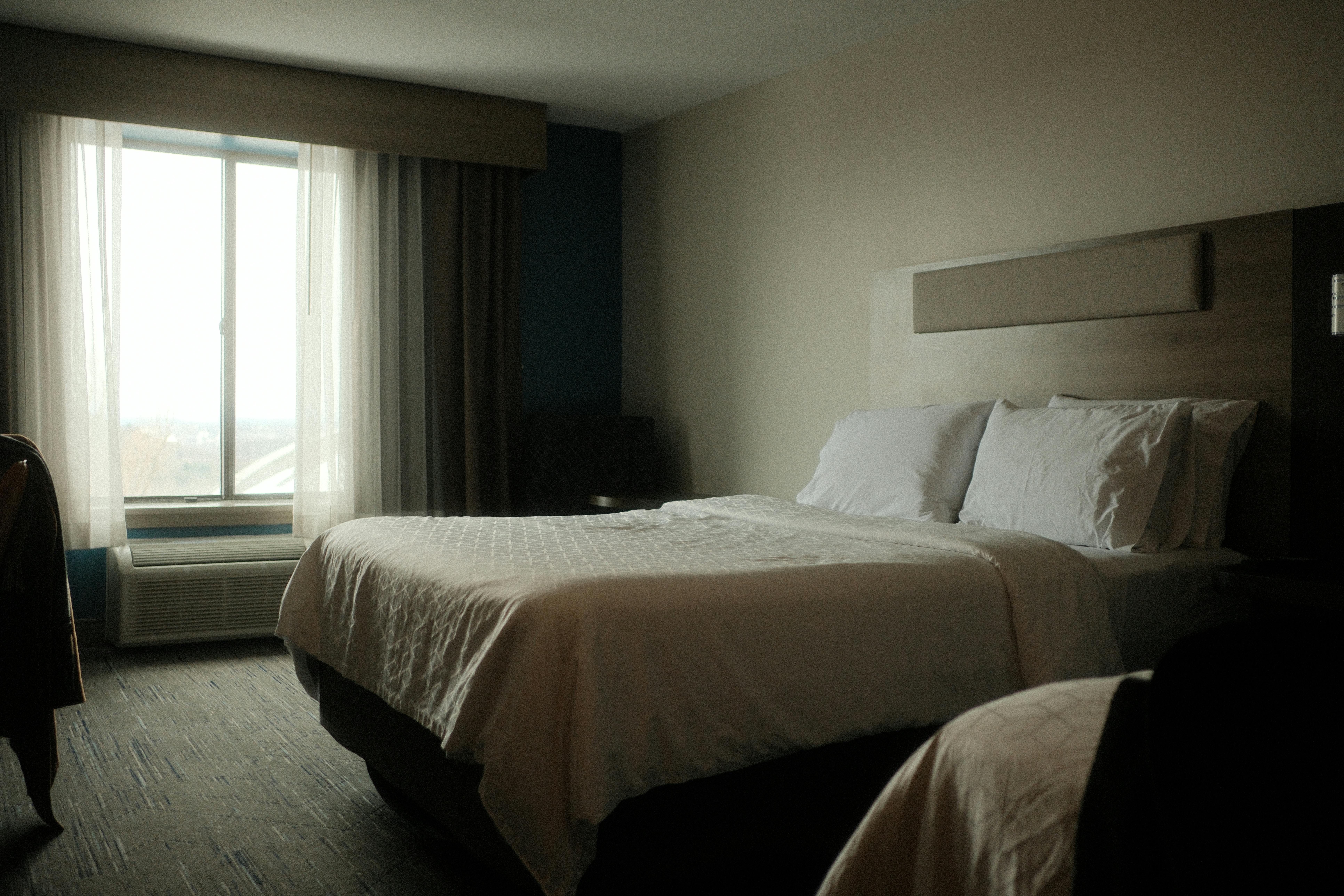
Hotels routinely accept more reservations than they have rooms. The practice is planned, modelled and, on most nights, invisible because the arithmetic works out.
No-shows create the space
A predictable share of reservations never arrive: plans change, flights are missed, and bookings made months ahead are forgotten.
An empty room earns nothing and cannot be sold retrospectively, so a hotel that never overbooks systematically runs below capacity on its busiest nights.
Revenue systems estimate the no-show rate from historical patterns for that day of the week, that season and that booking channel, and sell against it.
The estimate fails occasionally
Forecasts are averages, and on some nights everyone turns up. The hotel is then short by a small number of rooms, usually late in the evening.
Weather and transport disruption skew this in both directions, either stranding guests who cannot arrive or filling a property with people who cannot leave.
Extended stays compound the problem, since a guest who decides to stay an extra night occupies a room already sold to someone else.
Walking a guest follows a hierarchy
When a room is unavailable the hotel relocates a guest, an operation known internally as walking, and it is normally covered by paying for a comparable room elsewhere.
Selection is not random. Loyalty members, long stays, groups and guests booked directly are protected, and the guest walked is usually a one-night stay booked through a third party.
Compensation typically includes transport, the first night's room at the alternative property, and a return to the original hotel for the remaining nights.
Arrival time changes the risk
Rooms are assigned as guests arrive, so a late arrival is far more exposed than an early one on a night when the property is oversold.
Guaranteeing the booking with a card, or prepaying, moves a reservation into a category the hotel is contractually obliged to honour and reduces exposure further.
Calling ahead to confirm a late arrival is effective for the same reason, because it converts an uncertain reservation into an expected one in the system.
Why the practice survives complaints
The cost of walking a small number of guests is lower than the revenue lost by holding rooms empty across a year, and the calculation is not close.
Regulation in most places treats the reservation as a contract and requires the hotel to provide equivalent accommodation, which caps the downside rather than banning the practice.
The result is a system where the failure is rare, expensive for the hotel and highly visible to the individual it happens to, which is why it generates disproportionate anger.
Also by Joon Park
- Travelling in the off seasonSafety & Health
- What travel actually costs over a lifetimeMoney
- Travelling with parents and older relativesPlanning
- Insurance claims, medical care and getting treated abroadSafety & Health