Food & Culture
Why Breakfast Travels Worst Of All Meals
Dinner adapts readily across borders but breakfast rarely does, because the morning meal is bound to habit, timing and childhood taste in ways later meals are not.
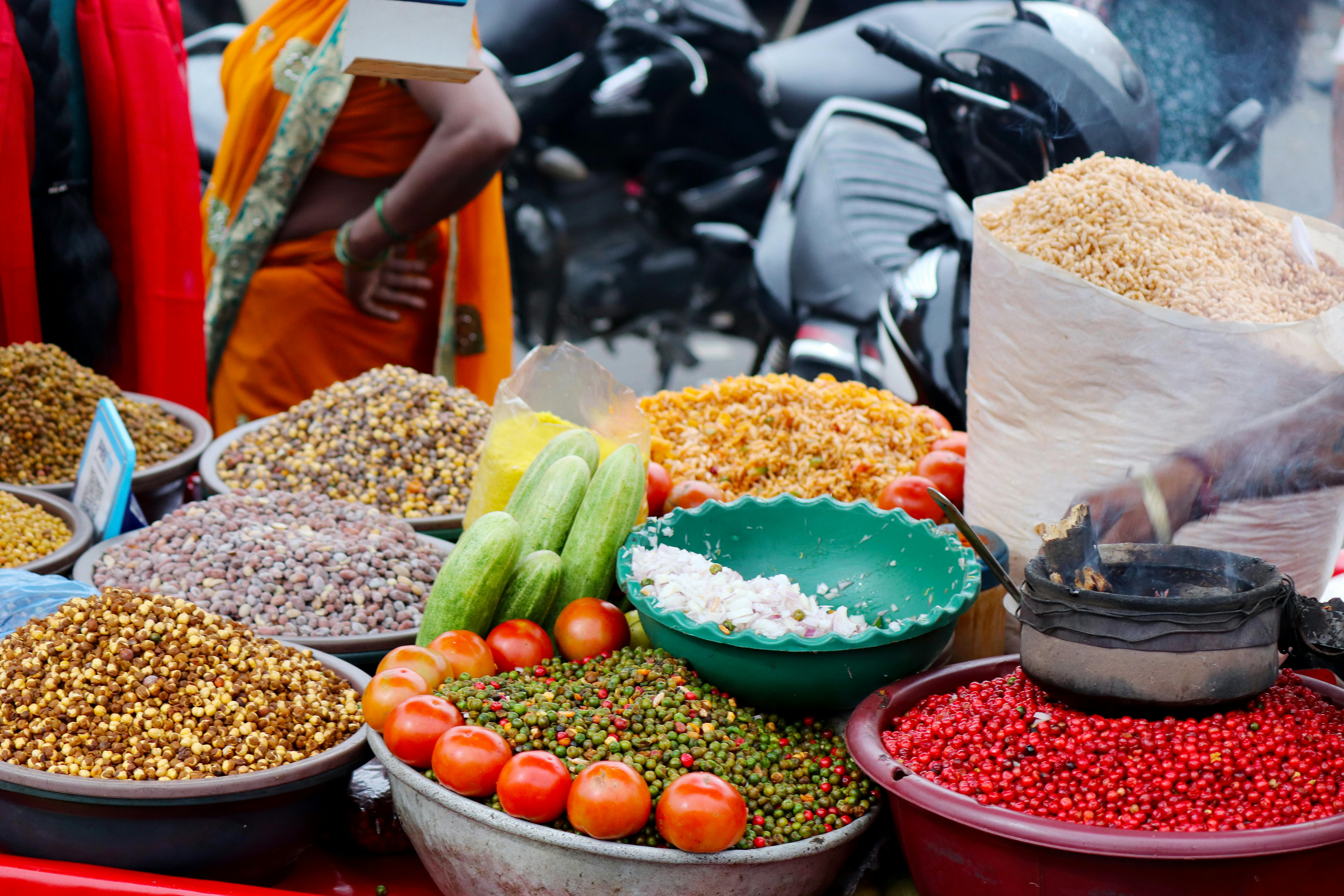
Cuisines cross borders unevenly. Dinner dishes travel widely, while breakfasts remain stubbornly local, and travellers feel the difference most strongly in the morning.
Breakfast is eaten by habit rather than by choice
Later meals are chosen from options. Breakfast is usually the same thing repeated for years, eaten quickly and often without much attention.
Habit of that depth is hard to displace, and unfamiliar food at an hour when the body expects a known routine registers as wrong rather than merely different.
This is why travellers who happily eat anything at dinner will search for familiar breakfasts, and why hotels aimed at international guests converge on the same buffet.
Savoury and sweet mornings divide the world
Many cuisines treat breakfast as a smaller version of any other meal: soup, rice, vegetables, fish, meat, spice. Others treat it as a distinct sweet or bread-based category.
Neither is more natural, but the boundary is felt strongly. A soup at breakfast reads as lunch to someone raised on bread and coffee, and the reverse holds equally.
The division tends to follow historic staple crops and the practicalities of what could be prepared quickly at dawn with the fuel and equipment available.
Timing is set by working patterns
In places where the main meal is at midday, breakfast is light and early because lunch is close behind. Where dinner is the main meal, breakfast carries more weight.
Countries with late dinners often have a small first breakfast and a substantial second one mid-morning, a structure that has no equivalent in early-dining cultures.
Visitors arriving with the wrong timing find cafés serving something they did not expect, or nothing at all, at the hour they wanted to eat.
The export barrier is commercial as well as cultural
Restaurants abroad open for lunch and dinner because that is when people eat out. A breakfast dish has no venue in which to be encountered by a foreign audience.
Dishes therefore travel through the meals that restaurants serve, and anything eaten only at home before work stays where it is.
Where breakfast items do export, they arrive detached from their timing and are served as snacks or brunch dishes at hours that would make no sense at home.
The morning meal is a fast route into a place
Because it resists export, breakfast is one of the least altered things a visitor can encounter, and it is usually eaten among people going about an ordinary day.
Morning markets, station counters and neighbourhood bakeries operate on local rhythms and rarely adjust for visitors, which makes them unusually informative.
The discomfort of an unfamiliar breakfast is therefore a reasonable measure of how far you have actually travelled, and it fades within a few days of trying.
Also by Joon Park
- Travelling in the off seasonSafety & Health
- What travel actually costs over a lifetimeMoney
- Travelling with parents and older relativesPlanning
- Insurance claims, medical care and getting treated abroadSafety & Health