Flights & Transport
Why Baggage Goes Missing At Connections
Most delayed luggage is separated from its owner at a transfer rather than lost outright, and the reason is a race between two schedules that were never designed to match.
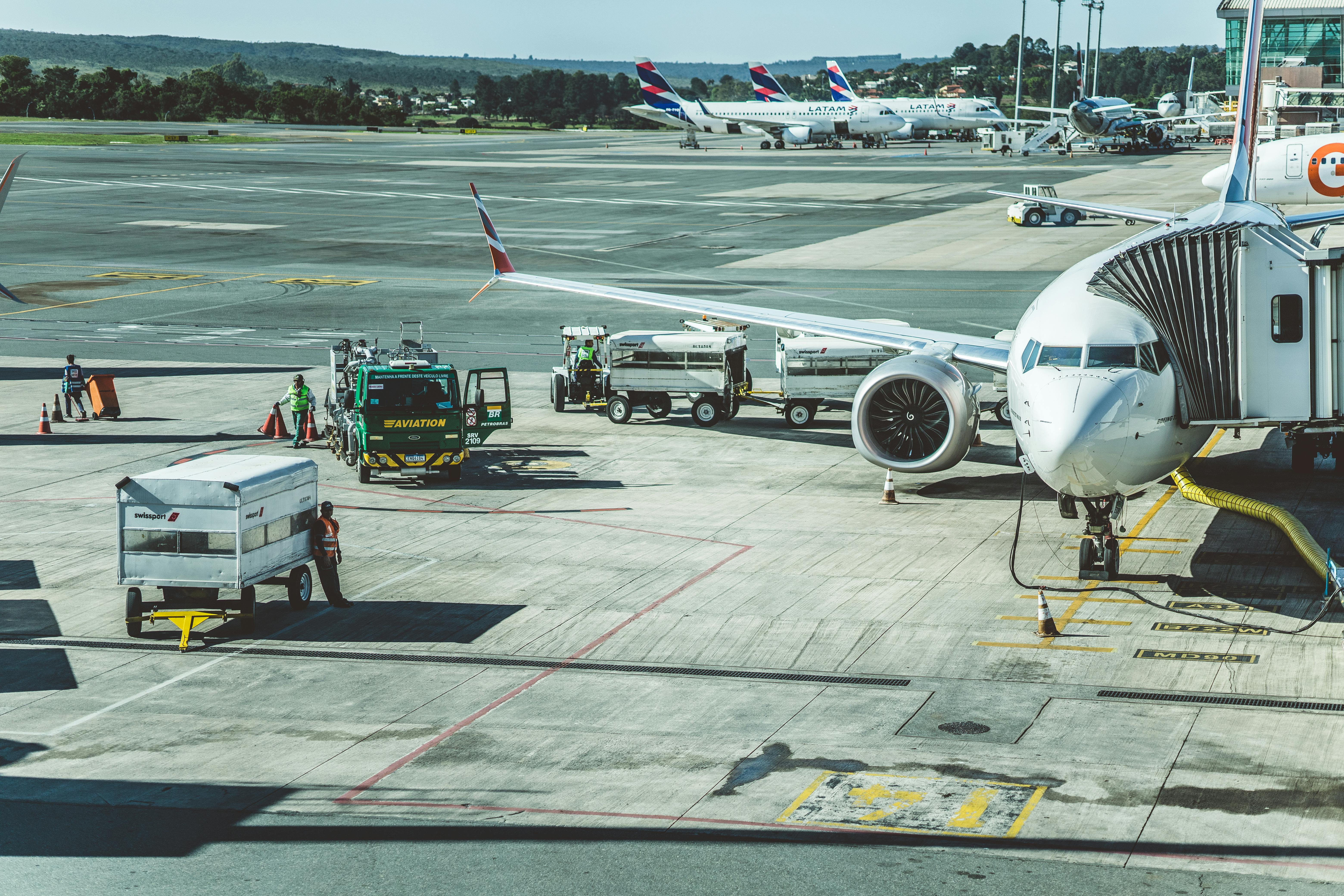
Luggage that fails to arrive has usually not been lost but left behind. Nearly all of it is separated during a transfer, and the mechanism is a timing conflict rather than carelessness.
Bags and passengers travel by different routes
A connecting passenger walks between gates. Their bag is unloaded, sorted, moved through a baggage system and loaded onto a second aircraft, a journey that involves several handovers.
The two paths have different lengths and different bottlenecks. A passenger can make a tight connection comfortably while the bag cannot, because the bag's route is longer and less flexible.
Minimum connection times are set to cover both, but they are averages. When the inbound flight is late, the margin that protected the bag disappears first.
The last bag loaded is the first to be dropped
Loading a departing aircraft has a hard cutoff, because the hold must be closed and the load sheet finalised before departure. Bags arriving after that point do not travel.
Ground crews prioritise the bags they already have. A transfer bag arriving from a delayed inbound flight competes against a closing door and usually loses.
It is then rebooked to the next service, which is why delayed bags typically appear hours later rather than being untraceable.
Tags, systems and handovers introduce error
Each bag carries a tag with a licence plate number that systems read to route it. Damaged, folded or unreadable tags fall out to manual handling, which is slower.
Old tags left on a bag are a common cause of misrouting, because a scanner may read the wrong one and send the bag to a previous destination.
Where two airlines are involved, the bag also crosses a systems boundary. Interline transfers require both carriers to exchange messages correctly, and this is where records most often break.
Some airports are structurally harder than others
A hub with a single integrated terminal moves bags in minutes. One that requires a bag to leave a terminal, cross an apron and enter another building needs far longer.
Airports built up over decades often have baggage systems that were extended rather than designed, producing long transfer paths and single points of failure.
Weather magnifies all of this. Ramp operations slow or stop in lightning and heavy snow, and the backlog falls on transfer bags before it falls on originating ones.
What determines how quickly it comes back
Once a bag is reported, it is matched against a global tracing system that holds descriptions of both missing and unclaimed items. Most reunions happen within a day or two.
Delivery depends on onward flights to the destination, so a bag stranded on a route with one service a day waits for that service regardless of how quickly it was found.
Bags become genuinely lost mainly when the tag is destroyed and the contents give no clue to ownership, which is a small share of a large number.
Also by Joon Park
- Travelling in the off seasonSafety & Health
- What travel actually costs over a lifetimeMoney
- Travelling with parents and older relativesPlanning
- Insurance claims, medical care and getting treated abroadSafety & Health