Food & Culture
Photographs, and taking better ones
The improvements that matter most require no equipment, and the etiquette matters more than the technique.
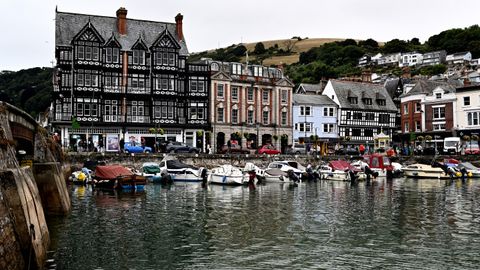
Almost everyone photographs while travelling, and the difference between images worth keeping and images nobody looks at again is mostly about approach rather than equipment.
The etiquette first
Which matters more than anything technical.
Ask before photographing people. A gesture toward the camera and a questioning look works without shared language, and the answer is generally yes.
The photographs are almost always better when the person knows, because the alternative is a furtive image of someone unaware.
Do not photograph children without a parent's agreement.
Respect prohibitions in religious sites, which are frequently signed and frequently ignored.
Do not offer money and then photograph, or photograph and then be asked for money — establish the arrangement first if any.
Be aware of what you are depicting. Photographing poverty as picturesque is a genuine problem in travel photography, and the test is whether you would take the same image at home.
Note that some countries restrict photography of government buildings, military installations, airports and infrastructure, with real consequences.
The technical points that matter
In rough order of effect.
Light. The single largest variable.
Early morning and late afternoon produce better images than the middle of the day, by a wide margin.
Overcast light is better for people and for detail than bright sun, which produces harsh shadows.
Getting closer. Most travel photographs are taken from too far away and contain too much.
Foreground. A landscape with nothing in the near distance reads as flat; something in the foreground creates depth.
Straight horizons, which is trivial and is the most common flaw.
Patience. Waiting for the person to walk into the frame, for the light to change, for the crowd to clear.
The photographs people keep are generally the ones they waited for.
What to photograph
A suggestion that changes what a set of images is worth.
The monuments have been photographed better by everyone, including professionally, and your version adds nothing.
What is not photographed is the ordinary: the street where you stayed, the shop where you bought breakfast, the transport, the people you met, the food you actually ate, the room.
These are the images that mean anything years later, and almost nobody takes them.
The practical version: photograph the day rather than the sights.
The phone versus camera question
Largely settled for most people.
Phone cameras are extremely capable in good light, are always present, and are unobtrusive, which matters for photographing people.
Dedicated cameras remain better in low light, at distance, and where control over depth of field matters.
The relevant question is whether you will carry it, since the best camera is the one you have.
Anyone carrying a large camera should be aware that it changes how people respond to being photographed, generally making them more self-conscious.
The backup
Practical and frequently neglected.
Photographs are among the few things from a trip that cannot be replaced.
Automatic cloud backup over wireless is the simplest arrangement, and it should be checked as working rather than assumed.
For anyone without reliable connectivity, a second copy on a separate device or card, stored separately from the camera, addresses theft and loss.
Afterwards
The step that determines whether any of it was worth it.
Most people take several hundred photographs and never look at them again.
Selecting twenty or thirty within a week of returning, while you still remember what they were, and putting them somewhere you will see them, is the difference between a record and an archive nobody opens.
Writing a sentence with each — what it was, where, what was happening — takes minutes and makes them comprehensible in ten years, which they otherwise will not be.
Photographing food and interiors
Two practical notes.
Food photographs are generally better in natural light near a window than under artificial light, and better from a lower angle than from directly above for most dishes.
Interiors require bracing the camera, since low light means slow exposures, and a table or a wall works as well as a tripod.
And in both cases, asking staff before photographing is courteous and generally produces a better result, since they will frequently move things or offer a better position.
Also by Sofia Marchetti
- Travel and mental healthSafety & Health
- Booking platforms and what they doWhere to Stay
- The trip you actually wantPlanning
- Women travelling aloneSafety & Health