Flights & Transport
How Night Curfews Shape Long Haul Timetables
Departure and arrival times on long routes cluster into narrow windows, and the reason is that many airports forbid movements at night, forcing schedules to bend around silence.
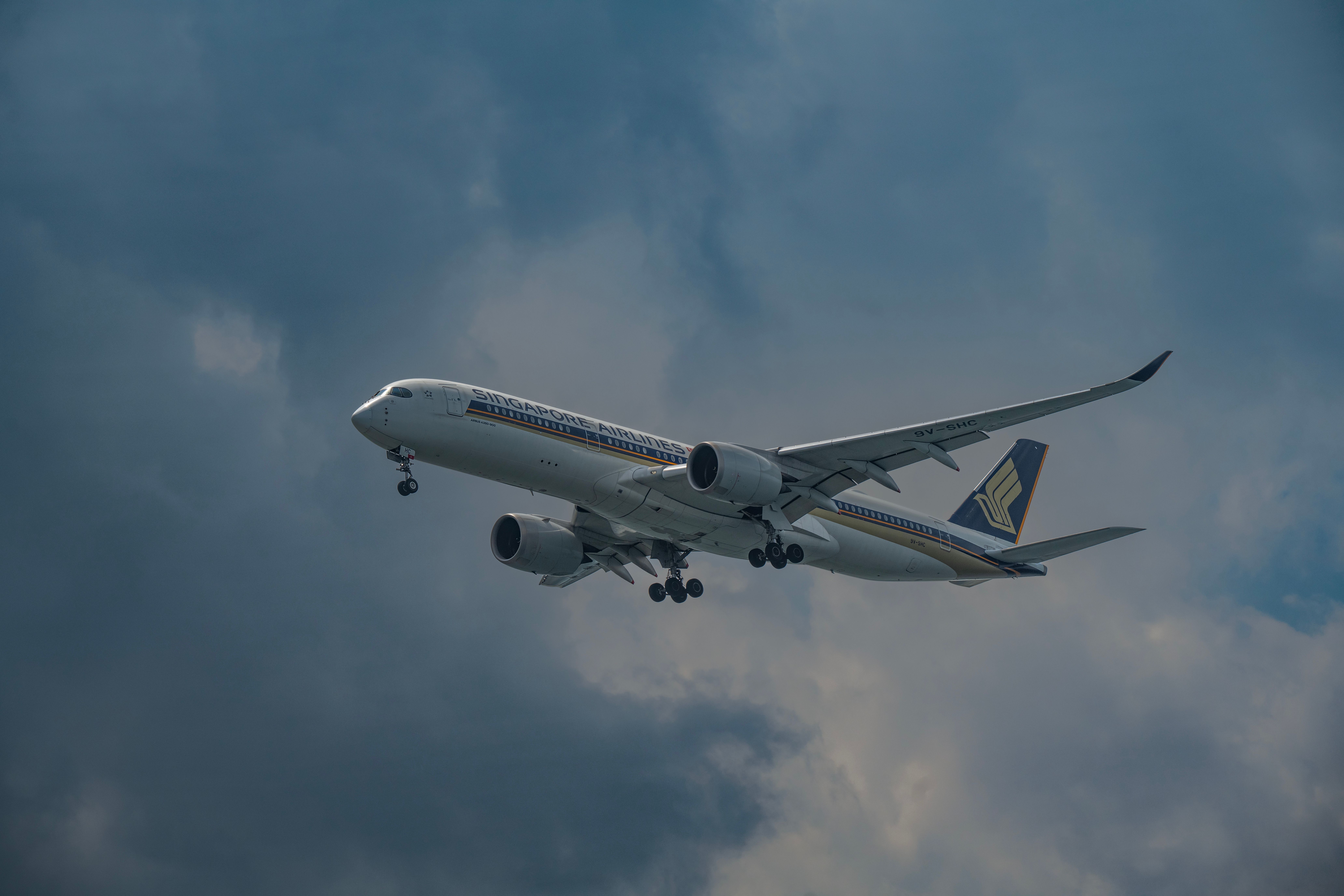
Long-haul flights leave and arrive at oddly consistent times, and the clustering is not a coincidence of demand. Many airports prohibit night movements, and the timetable is built around those closed hours.
Curfews are legal limits, not preferences
Airports near dense residential areas often operate under restrictions that ban or severely limit movements during defined night hours. The rules come from planning conditions or local law.
Breaching a curfew brings penalties and, more importantly, risks the political consent under which the airport operates. Airlines treat the boundary as effectively absolute.
Some airports allow a small quota of night movements or permit only quieter aircraft types, which turns the restriction into a scarce allocation rather than a simple prohibition.
The closed hours force departures into the evening
A long sector must depart early enough to arrive after the destination reopens, or late enough to avoid arriving during its quiet period. Those constraints leave narrow usable windows.
This is why so many intercontinental flights leave in the evening and arrive in the morning. The overnight profile is partly about passenger sleep and largely about the two curfews at either end.
Routes crossing many time zones have less freedom than they appear to, because shifting a departure by an hour can push the arrival into a prohibited slot thousands of miles away.
Aircraft utilisation is squeezed at both ends
Airlines want each aircraft flying as many hours a day as possible, because ownership costs accrue whether it moves or not. Curfews create enforced idle time.
An aircraft that lands shortly before a curfew sits until the airport reopens, and the parking stand it occupies is unavailable to anyone else during those hours.
Schedulers therefore try to position aircraft overnight at unrestricted airports, which influences where maintenance bases and crew bases are placed.
Delays become disproportionate near the boundary
A flight running an hour late in the middle of the day arrives an hour late. The same delay near a curfew can mean the flight does not operate at all.
Once the window closes, the aircraft and crew are displaced into the following day, and the knock-on affects every rotation that aircraft was due to fly.
This is why airlines cancel apparently viable evening flights rather than delaying them, and why standby crews are concentrated in the late afternoon.
Freight and quiet aircraft change the picture
Cargo operations depend heavily on night flying, so freight hubs are usually located at airports without curfews, often deliberately sited away from cities.
Newer aircraft are markedly quieter, and some restrictions are written in noise terms rather than as flat bans, which gives modern fleets access that older ones lose.
The pressure runs both ways as cities expand towards their airports, and restrictions have generally tightened rather than eased over recent decades.
Also by Joon Park
- Travelling in the off seasonSafety & Health
- What travel actually costs over a lifetimeMoney
- Travelling with parents and older relativesPlanning
- Insurance claims, medical care and getting treated abroadSafety & Health