Flights & Transport
How Airlines Decide Which Routes To Drop
A route that seemed well used can disappear from the timetable within a season, because the decision rests on aircraft allocation and marginal contribution rather than on how full the cabin looked.
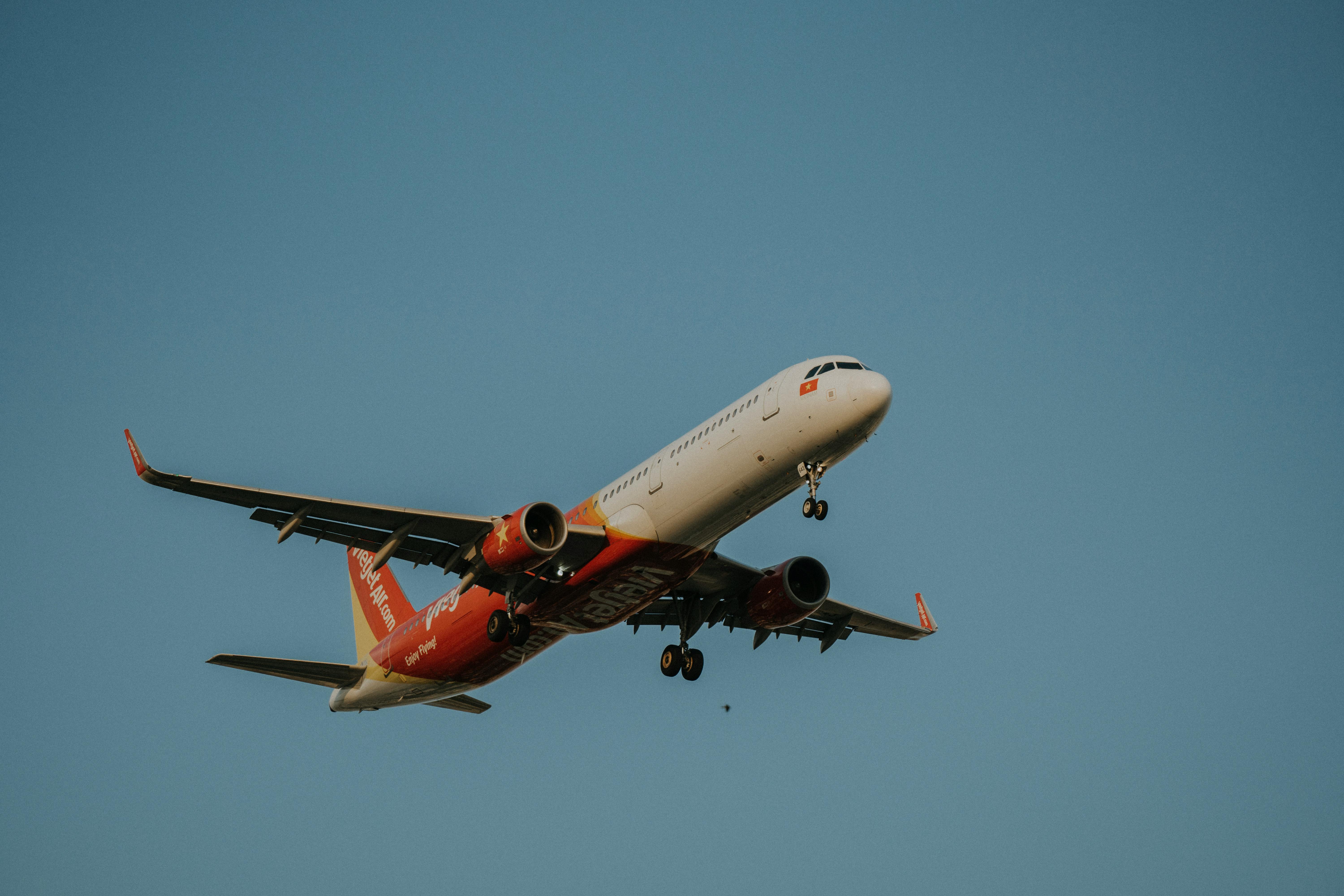
A route can vanish from the timetable while still carrying reasonable numbers of passengers. Full aircraft and profitable aircraft are not the same thing, and the decision turns on where else the machine could be flying.
The comparison is against the next best use of the aircraft
An airline owns or leases a finite number of aircraft, and each one can only be in one place. A route is judged against what that aircraft would earn somewhere else.
A route can cover its own costs comfortably and still be cut, because redeploying the aircraft to a stronger market earns more. Nothing about the route itself has to have gone wrong.
This is why cuts cluster when a carrier takes delivery of new aircraft or opens a new base. The alternatives improved, so the bar rose.
Load factor hides what the passengers paid
A cabin that looks full says nothing about yield. The same hundred and eighty seats can produce very different revenue depending on how many were sold cheaply to fill the tail end of the booking curve.
Routes that only fill through heavy discounting show healthy occupancy and thin returns. Airlines watch revenue per available seat kilometre rather than the visible crowd at the gate.
Connecting traffic complicates the picture further, because a passenger on a thin regional sector may be worth keeping for the long-haul flight they feed rather than for the sector itself.
Seasonality decides whether a route survives the year
Many markets are strongly seasonal, carrying heavy demand for a few months and very little outside them. A route must either earn enough in season to cover the quiet months or be flown seasonally.
Seasonal operation has its own costs. Crew bases, ground handling contracts and airport agreements are easier to sustain year-round, and a route that stops for half the year loses its regular customers.
When the shoulder months weaken, the seasonal window narrows until the operation no longer justifies the setup, and the route is dropped rather than shortened again.
Airport costs and slots weigh heavily
Charges vary enormously between airports, and a marginal route into an expensive one can be viable from a cheaper field an hour away. Incentive deals often decide where a route lands.
At slot-constrained airports the calculation inverts. A slot has scarcity value, and using it on a weak route means not using it on a strong one, so weak routes are displaced quickly.
Competitive entry changes the arithmetic overnight. When a second carrier adds capacity to a thin market, both airlines' fares fall and the route may no longer support either of them.
Why announcements come late and cuts come fast
Schedules are published months ahead, so a decision made in one quarter surfaces in the timetable much later. By the time passengers notice, the aircraft has already been reassigned.
Airlines also avoid signalling weakness early, because a route announced as under review sells worse immediately and becomes a self-fulfilling case for closure.
The pattern travellers experience — a route that was fine and then simply ended — reflects a planning cycle that runs well ahead of the flying public.
Also by Joon Park
- Travelling in the off seasonSafety & Health
- What travel actually costs over a lifetimeMoney
- Travelling with parents and older relativesPlanning
- Insurance claims, medical care and getting treated abroadSafety & Health