Safety & Health
How Air Quality Changes A City Visit
Pollution levels in a city vary by hour, season and street, and understanding the pattern changes when to be outdoors far more than any single daily figure does.
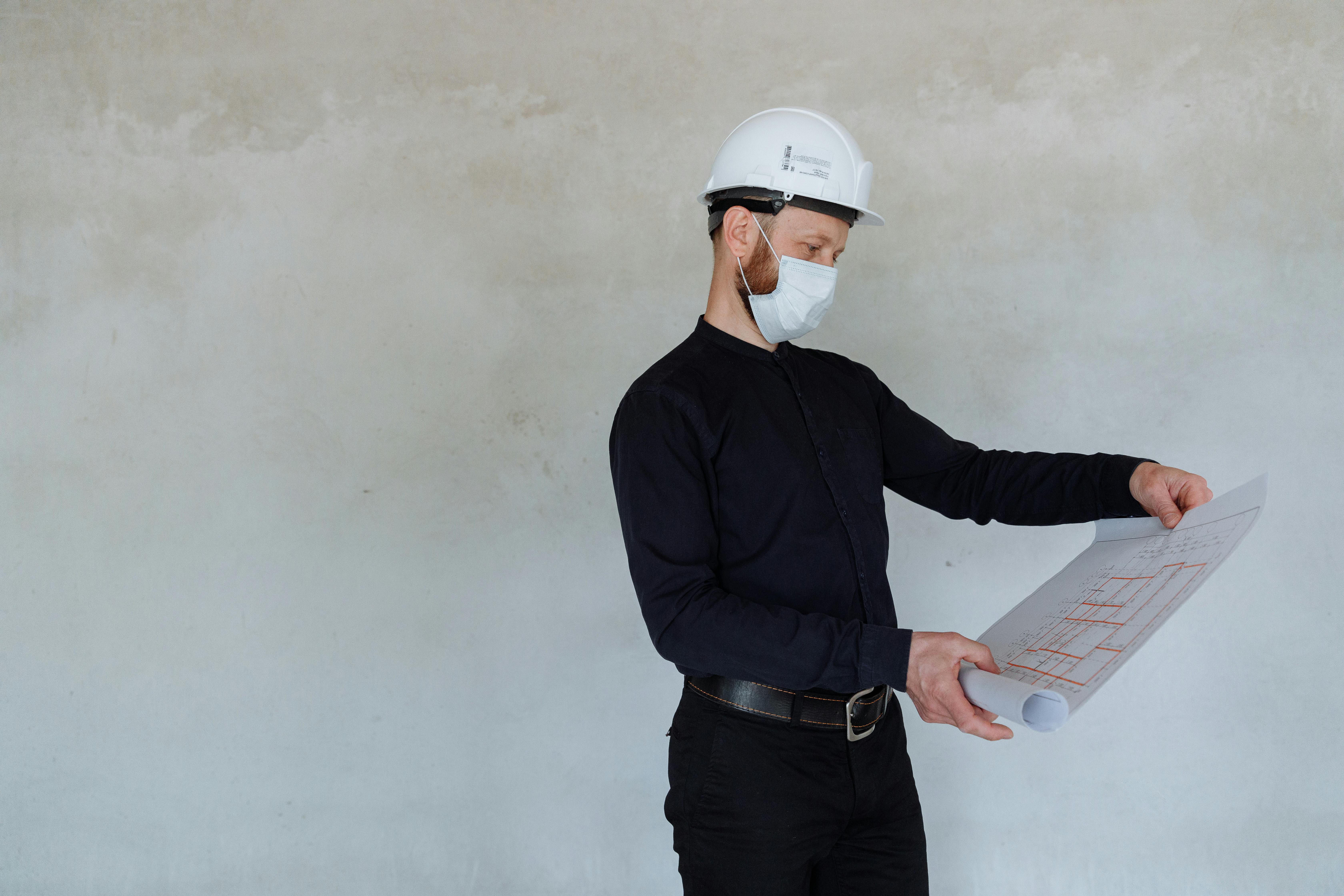
Air quality in many cities varies enormously across a day and a year. Treating it as a fixed property of a destination misses the variation that actually determines exposure.
The measurements describe different things
Published indexes combine several pollutants into a single number, and the components behave differently: fine particles come largely from combustion, while ozone forms in sunlight.
Because the drivers differ, particle levels tend to peak in cold, still conditions while ozone peaks on hot sunny afternoons.
A single index figure therefore hides which pollutant is elevated, and the underlying components are more useful than the headline number.
Weather controls the daily pattern
Still air and temperature inversions trap pollution near the ground, which is why calm winter mornings in valley cities produce the worst readings.
Wind and rain clear the air quickly, and a change in conditions can transform readings within hours regardless of how much is being emitted.
Geography sets how often this happens, and cities in basins or surrounded by hills experience prolonged episodes that coastal cities on a prevailing wind rarely do.
Seasonal sources dominate in some regions
Agricultural burning, domestic heating with solid fuel and wildfire smoke each produce sustained regional episodes that overwhelm ordinary urban traffic emissions.
These have defined seasons, so the same city can be clear for most of the year and heavily affected for a few predictable weeks.
Travellers planning around air quality get more from checking the seasonal pattern than from checking the forecast for the week of travel.
Street level differs from city level
Concentrations fall away quickly from a busy road, so a parallel side street can be markedly cleaner than the main artery a short distance away.
Enclosed environments such as underground stations, tunnels and multi-storey car parks have their own conditions unrelated to the outdoor reading.
Timing matters as much as place, since traffic peaks are the main urban source and early mornings before them are usually the cleanest hours outdoors.
Adjusting a day rather than avoiding a place
The straightforward response is to schedule strenuous outdoor activity for the cleaner part of the day and to use indoor sites when readings are high.
Exertion increases the volume of air breathed considerably, so a long walk or a run during a poor episode represents far more exposure than the same hours spent sitting.
Anyone with a respiratory or cardiac condition should discuss travel to a heavily affected region with a clinician, since the relevant thresholds differ from person to person.
Also by Joon Park
- Travelling in the off seasonSafety & Health
- What travel actually costs over a lifetimeMoney
- Travelling with parents and older relativesPlanning
- Insurance claims, medical care and getting treated abroadSafety & Health